Iron Dome "Intercept" Algorithm: Scaled Simulation
Files
293 Files
Sign in to view this file
Viewing files on ForgeHub is free. Sign in or create an account to open the interactive viewer and download files.
Sign in to viewRelated Projects
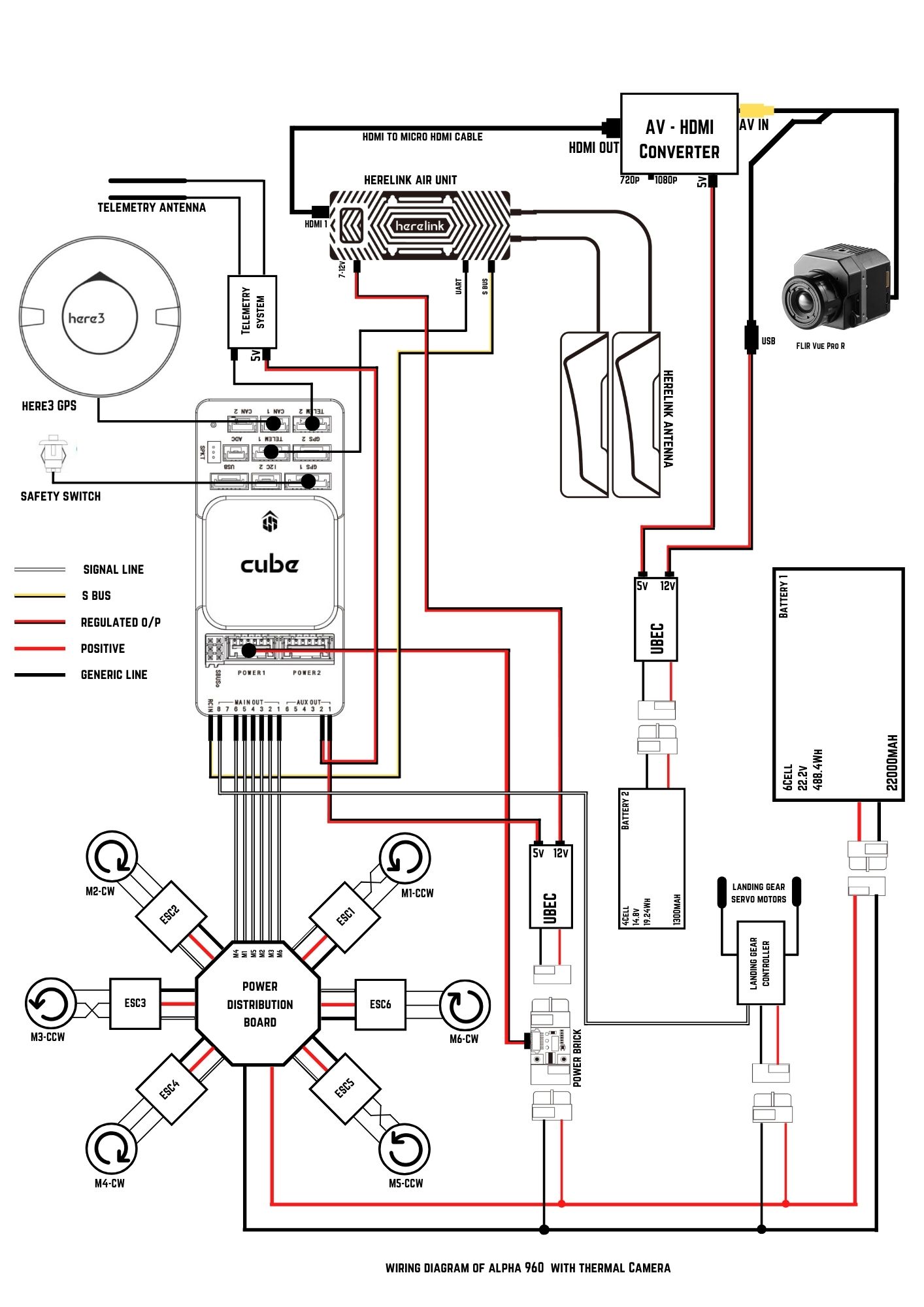
Rubble Survivor Detection Drone
Felix Moreno
Sep 16, 2026
FEA‑Based Optimization of Cylindrical Support
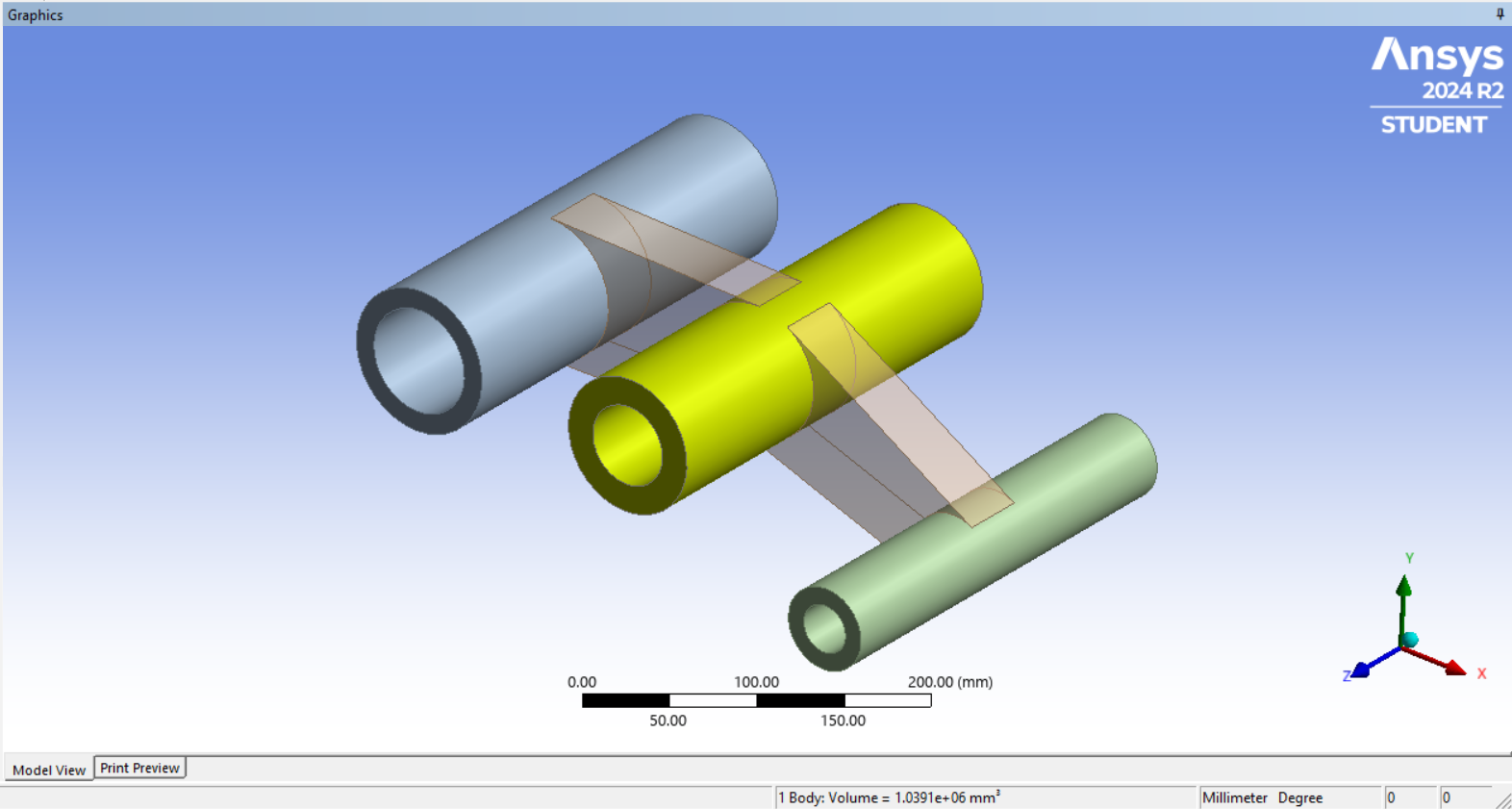
This project applies Finite Element Analysis (FEA) and response‑surface‑based optimization to redesign a steel cylindrical support subjected to a 12 kN bearing load. Using ANSYS Workbench, the study evaluates how varying the web thickness influences structural stress and total mass. A Central Composite DOE and second‑order response surface were used to model the relationship between thickness, von Mises stress, and mass. Optimization was performed with a constraint of ≤35 MPa allowable stress. Results show a clear trade‑off: thinner designs reduce mass but exceed stress limits, while thicker designs improve strength at the cost of weight. The optimal solution was found at 24.25 mm thickness, achieving 33.16 MPa stress and 23.38 kg mass, satisfying safety requirements while minimizing material usage. This project demonstrates practical skills in FEA, parametric modelling, DOE, response surface methodology, and structural optimization, delivering a lightweight and structurally efficient design. Full case study available on Behance: https://www.behance.net/gallery/255252331/FEA-Based-Optimization-of-Cylindrical-Support

Jayant Gosavi
Sep 3, 2026
UAV Thrust Optimization with a Ducted Coaxial Propeller
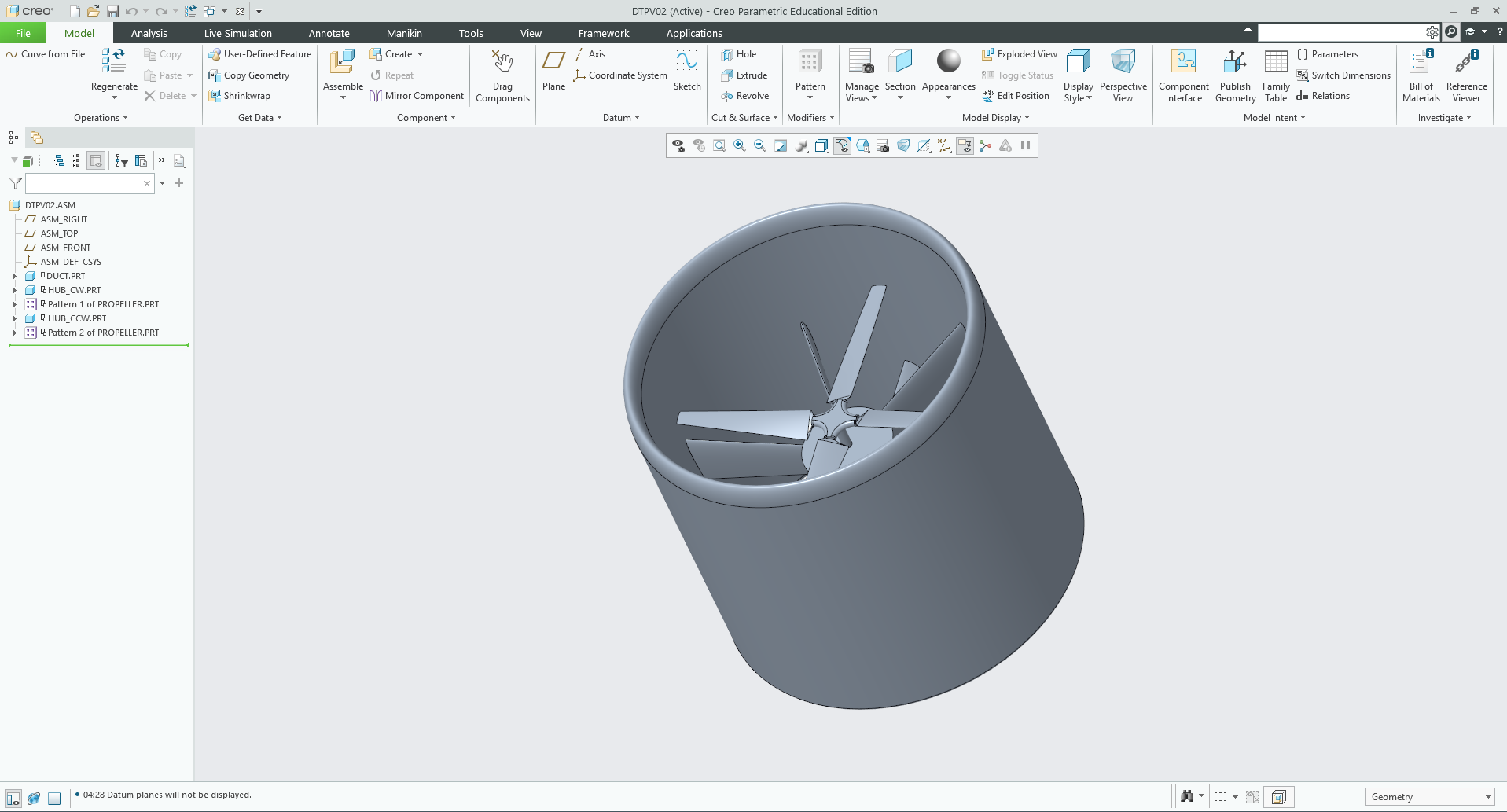
A CFD‑based aerodynamic study of a ducted coaxial UAV propulsion system featuring a NACA 0010 duct, six struts, a centrebody, and dual four‑bladed rotors at 3500 RPM. Using ANSYS Fluent (MRF), the project evaluates performance under 30° oblique inflow and 15 m/s forward flight. Results show that duct augmentation weakens under non‑axial inflow due to asymmetric loading, lip separation, and distorted mass flow. Forward flight further reduces pressure recovery and increases duct drag. Analytical metrics (CT, CP, FM, induced velocity) confirm the CFD trends. This work provides a complete aerodynamic characterisation of a mid‑scale ducted coaxial module and highlights key design considerations for improving UAV propulsion efficiency in realistic manoeuvre conditions. Full case study available on Behance: https://www.behance.net/gallery/255246313/UAV-Thrust-Optimization-with-a-Ducted-Coaxial-Propeller
Jayant Gosavi
Sep 3, 2026